In short
- Payroll errors usually start in attendance and leave records, not in the salary calculation.
- Settle salary structures and statutory rules with your accountant before go-live.
- Run a month or two alongside your old method before switching over fully.
When HR outgrows the register
With twenty employees, HR fits in an attendance register and a salary sheet. With a hundred, spread over shifts, departments and perhaps a second plant, the same method takes days every month and still leads to questions on payday.
The questions are familiar. Why was my salary cut? Was my leave approved? Where is my overtime? Answering them means going back through registers and messages, because the information lives in too many places.
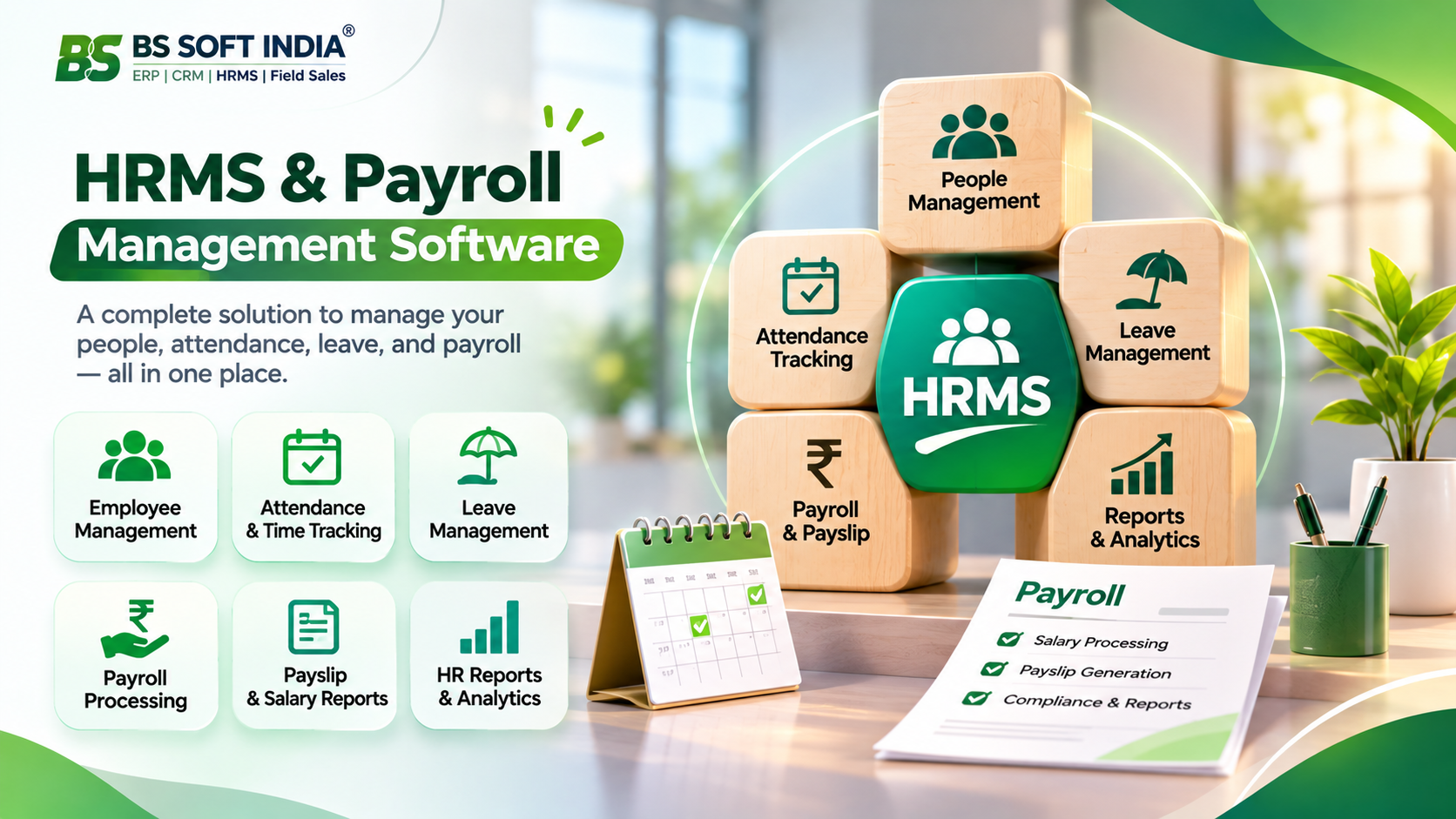
What an HRMS keeps in one place
- Employee profiles: personal details, department, designation, joining date and bank details.
- Attendance: daily presence, shifts and overtime.
- Leave: applications, approvals and balances for each type of leave.
- Salary structure: the earnings and deductions that make up each employee's pay.
- Payroll: the monthly calculation, payslips and salary reports.
When these are linked, payroll stops being a separate exercise. It becomes the result of records that were kept properly through the month.
A calmer month-end
A good payroll month follows the same order every time:
- Close attendance for the month and resolve missing entries.
- Make sure every leave application has been approved or rejected.
- Enter one-off items such as arrears, advances or incentives.
- Run payroll and compare the totals with last month.
- Check any employee whose pay changed sharply before releasing payslips.
Most of the time goes into the first two steps. If attendance and leave are kept up to date during the month, the payroll run itself is quick.
Statutory deductions
Indian payroll involves statutory items such as Provident Fund, ESI, professional tax and TDS on salary. Which of them apply depends on your headcount, your state and salary levels, and the rules are revised from time to time. Getting the setup right matters more than any feature.
HRMS and payroll in BS SOFT
BS SOFT INDIA provides HRMS and Payroll solutions designed to support employee administration and routine HR workflows. Depending on the configured modules, organizations can manage employee profiles, attendance, leave applications, salary structures, payroll calculations and employee reports in one centralized system.
By organizing employee information and reducing repetitive administrative tasks, the software helps HR teams keep employee records and payroll activities systematic, so payday questions are answered from the system rather than a search through registers.
Switching from spreadsheets
- Clean up the employee master first: one record per person, with current salary details.
- Start with attendance and leave, because payroll depends on them.
- Run payroll in parallel for one or two months and compare it with your current sheet.
- Show employees where to check their leave balance and payslip, so questions go to the system first.